
Voices as Diverse as the Gulf itself.
Founded by Phillip Lopate and Donald Barthelme in 1986, Gulf Coast is a journal of literature, art, and critical art writing, publishing contributors who represent a flow of international cultures, voices, and aesthetics. Through programs and publications, and in collaboration with the University of Houston, Gulf Coast brings consequential art and writing to an engaged audience.
Gulf Coast is a student-run non-profit entity. To learn more, see our masthead and executive board information here.
Features
Blood
Valk Fisher
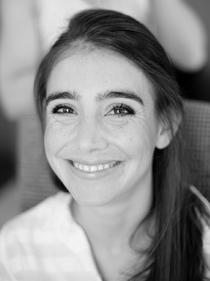
The patient registration form wants to know about me. I leaf through its fourteen stapled sheets. There are lines for writing, boxes for checking and tables for completion of a story. Printed carefully, please. 
Jumping into the Fray with Daniel Gumbiner
Biz Rasich
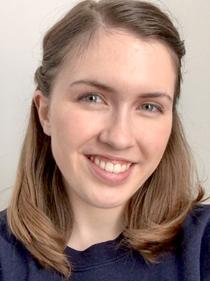
As a Californian, Daniel Gumbiner has thought a lot about the aftermath of disaster. What happens long after the emergency workers and news cameras have gone home?
From the GC Blog
Losing the Plot: On Lauren Berlant's Desire/Love
Christina McCausland
In their entry on love, Berlant writes that we tend to (mistakenly) use the objects our desire attaches to in order to assume an identity— “you know who you ‘are’ only by interpreting…
Feeling Political
Anthony Sutton
For Berlant, part of the problem of politics is that marginalized people have to accommodate the feelings of their majority counterparts in order to successfully exist in public, or…
Berlant’s Phraseology: An Impression
Gabriel Ojeda-Sagué
Lauren Berlant was ripe for imitation. Some young scholars imitated them in their writing in the hopes of being taken more seriously, disgruntled students imitated them as a way of…